Control, Limitation, and Layering
Photographing Portraits on Instant Film
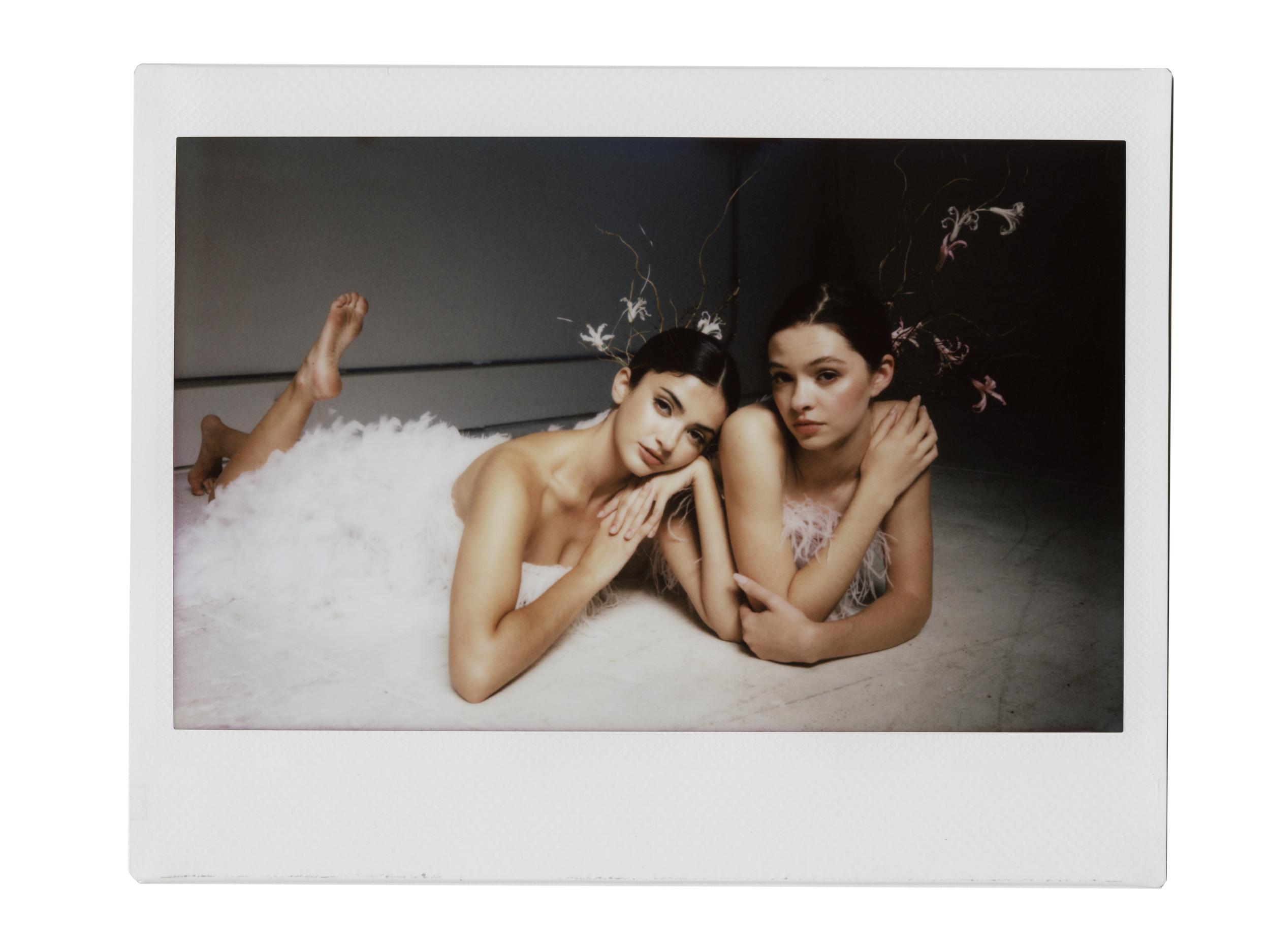
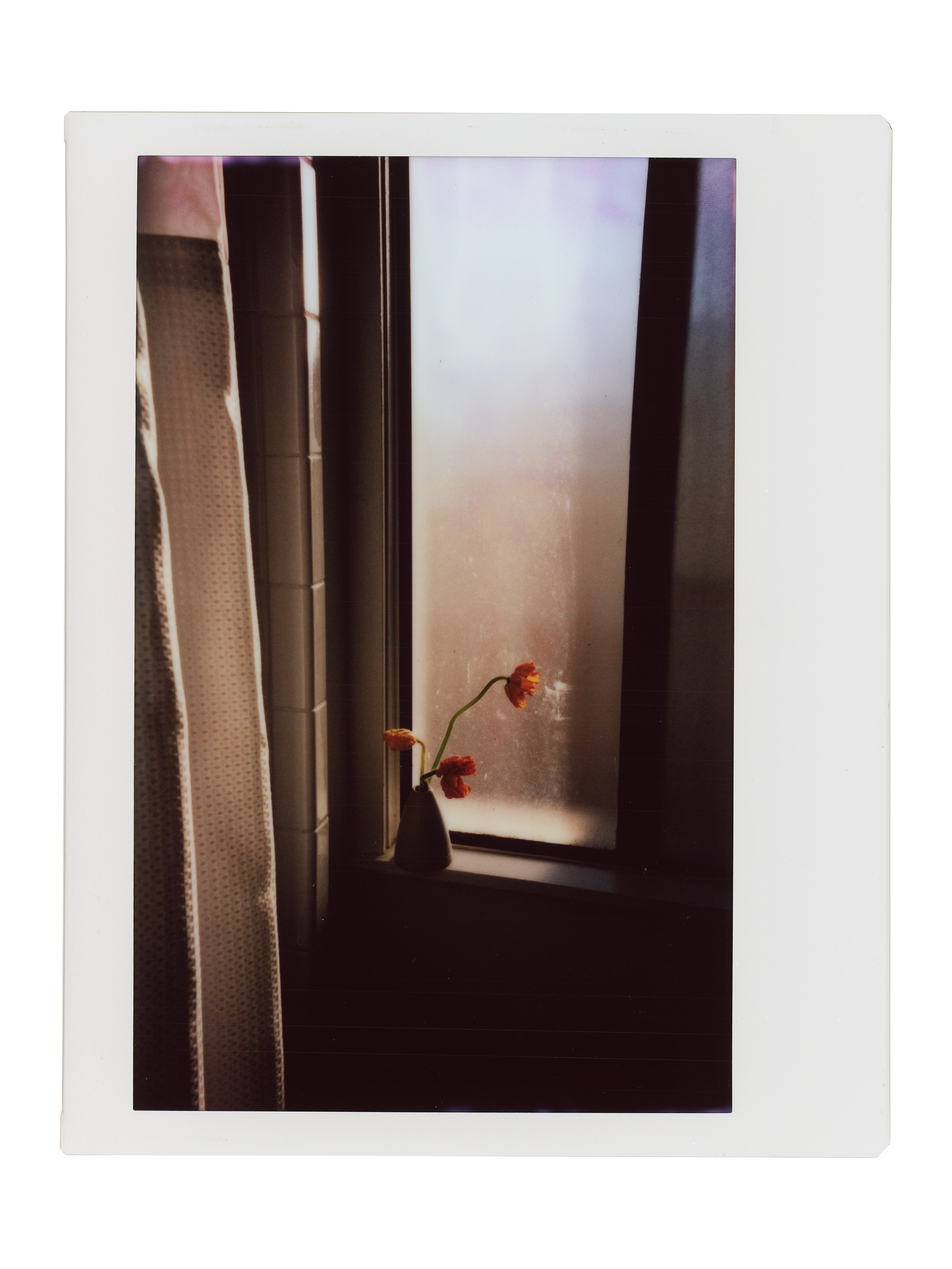
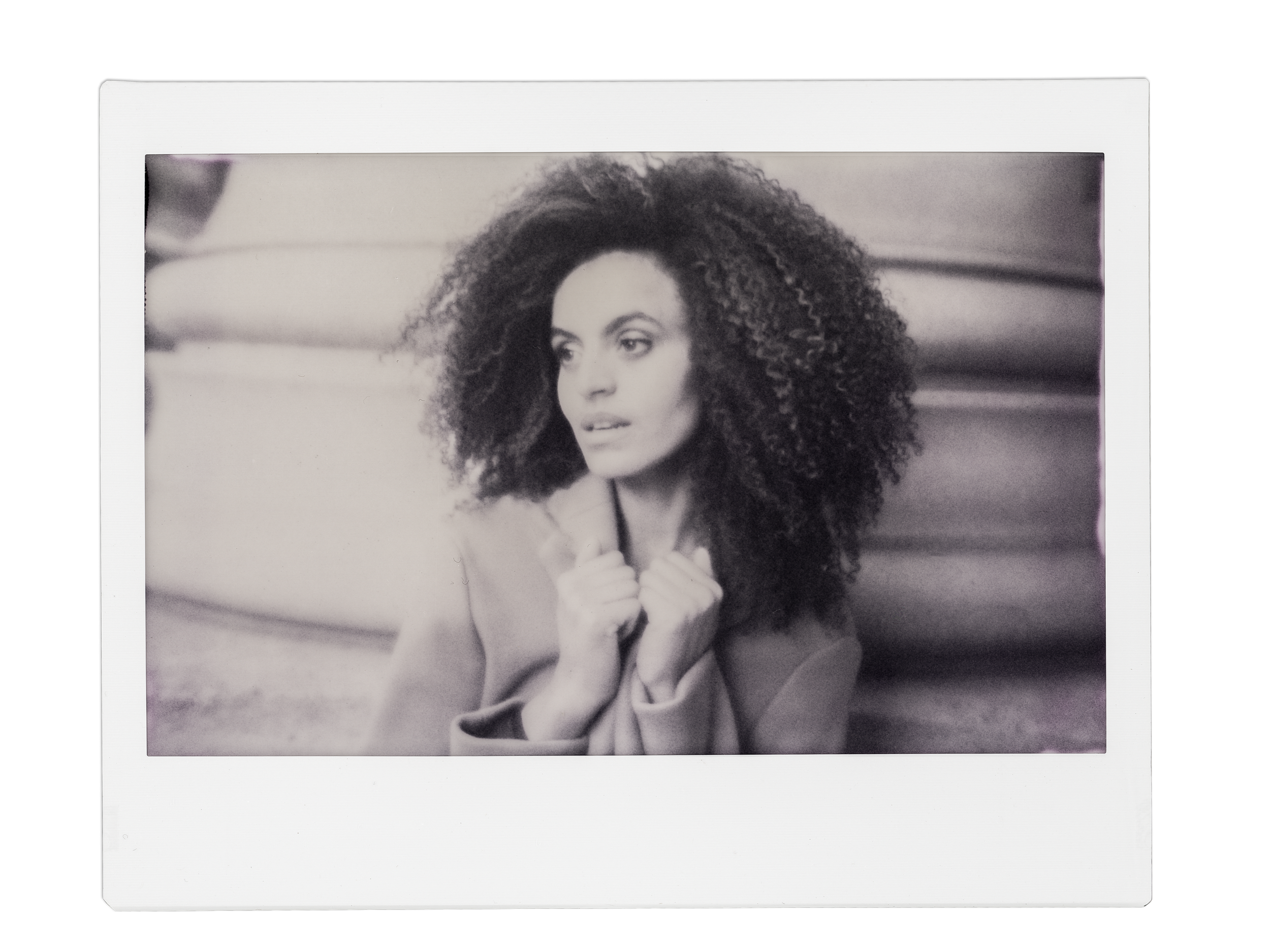
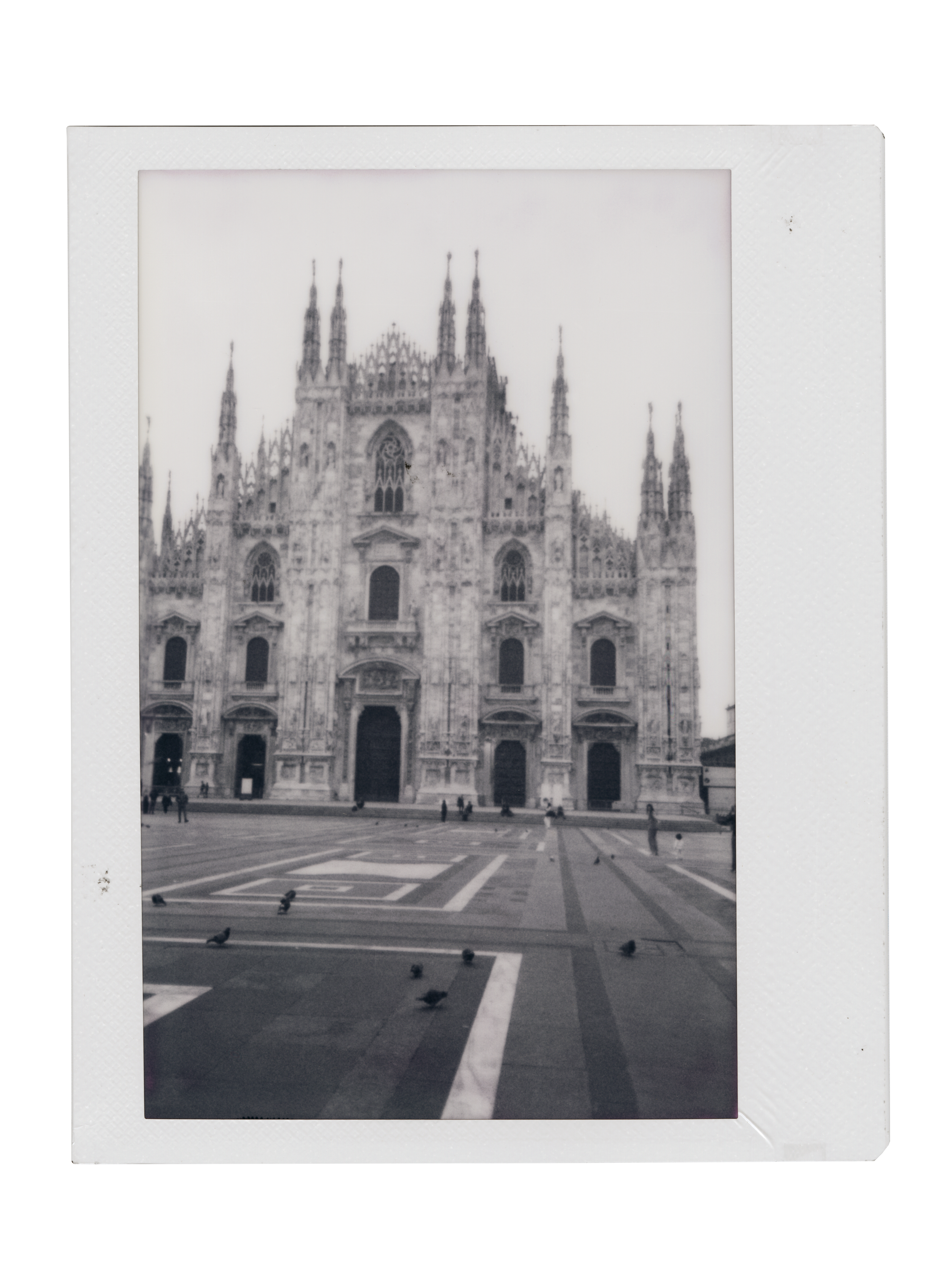
Instant film is often treated as nostalgic or casual.
For me, it became something else.
A way to slow down.
A way to experiment.
A way to work inside real limitation.
This page expands on my approach to photographing portraits on Fujifilm Instax film — technically and creatively.
Why Instant Film
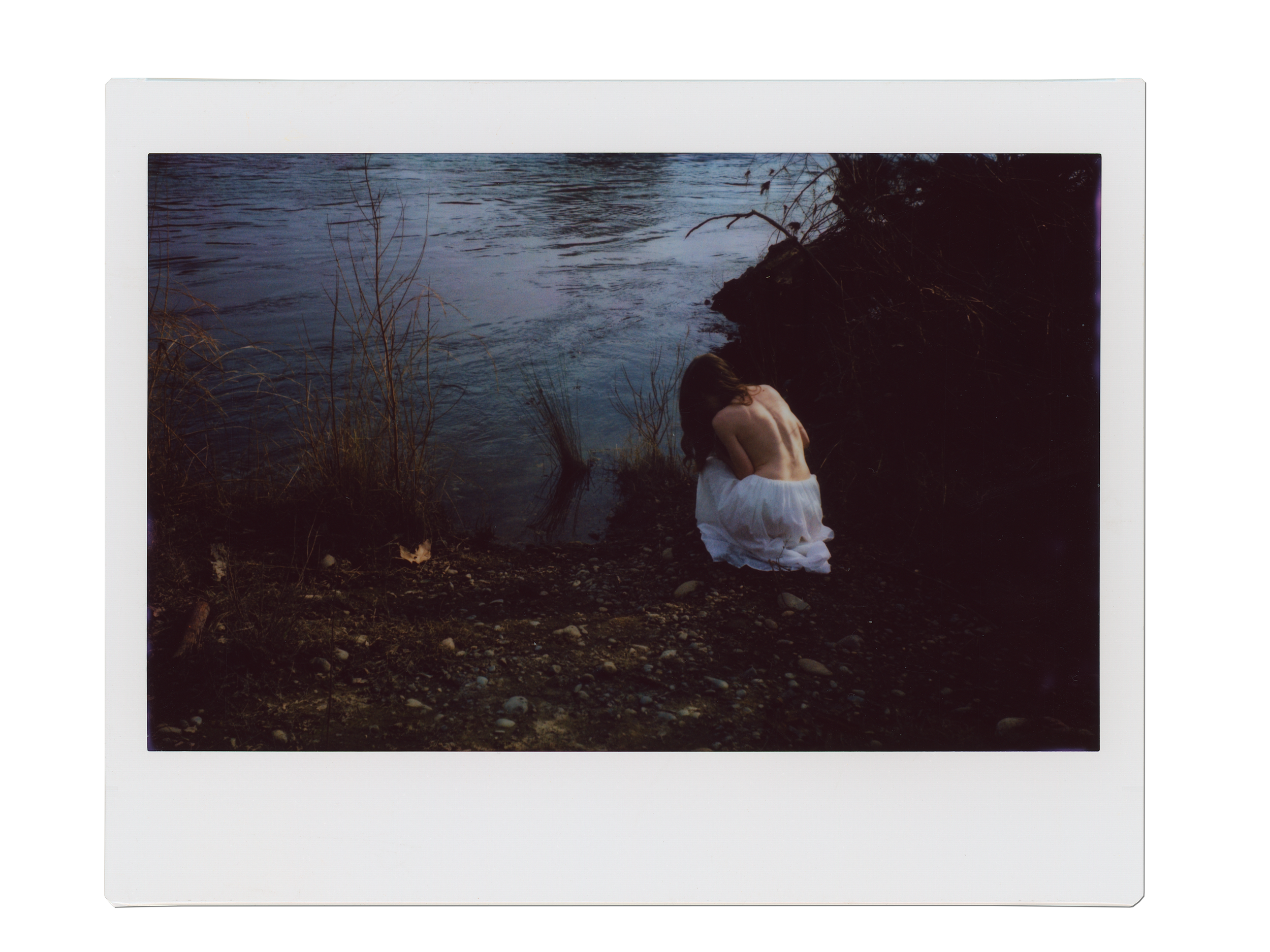
I photograph weddings on analog film — medium format and 35mm. That work is structured and intentional.
Instant film became my laboratory.
There are no corrections later.
No highlight recovery.
No editing safety net.
The exposure you give the film is the final exposure.
That constraint changes how you see.
It forces you to design before pressing the shutter.
Understanding Instax Film (Technical Notes)
If you want to photograph portraits on instant film well, you must understand how Instax behaves.
ISO and Exposure
Fujifilm Instax film is ISO 800.
However, it does not behave like ISO 800 negative film.
It is a positive material.
No highlight recovery
Limited dynamic range
Strong contrast
Exposure must be intentional
Instax rewards careful midtone exposure and disciplined highlight protection.
If highlights blow, they are gone.
If shadows collapse, they stay collapsed.
There is no correction in post.
Dynamic Range and Contrast
Instax does not compress contrast gently.
Extreme contrast scenes — bright window and dark interior — will not render smoothly.
To work successfully:
Simplify the scene
Choose one dominant light source
Avoid uncontrolled mixed lighting
Protect the brightest area of the frame
Limitation here becomes design.
Color Rendering
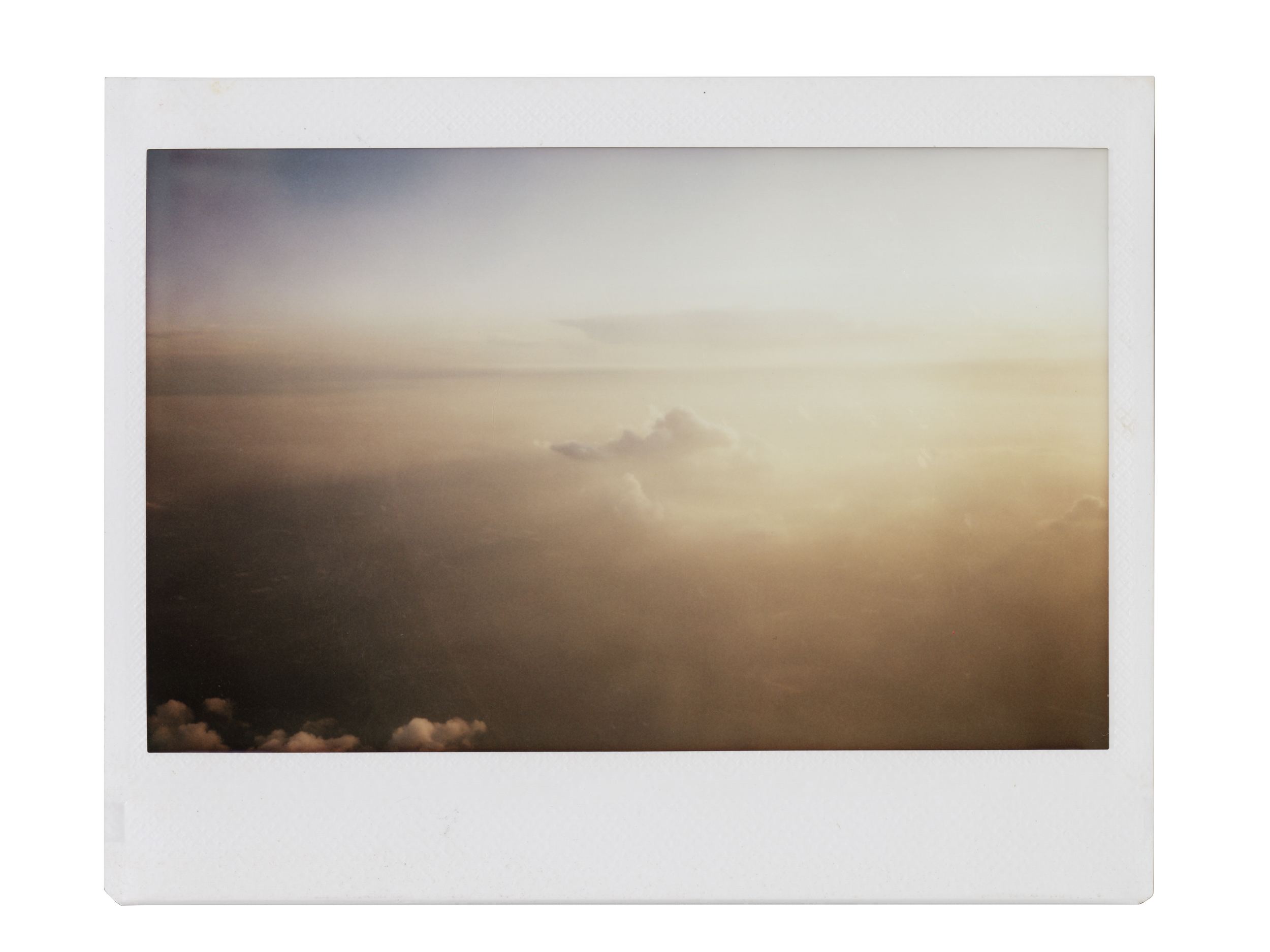
Instax color is clean and contrast-forward.
Blues and reds are strong
Skin tones can shift under mixed light
Flash increases separation and contrast
One clear light direction almost always works better than scattered light.
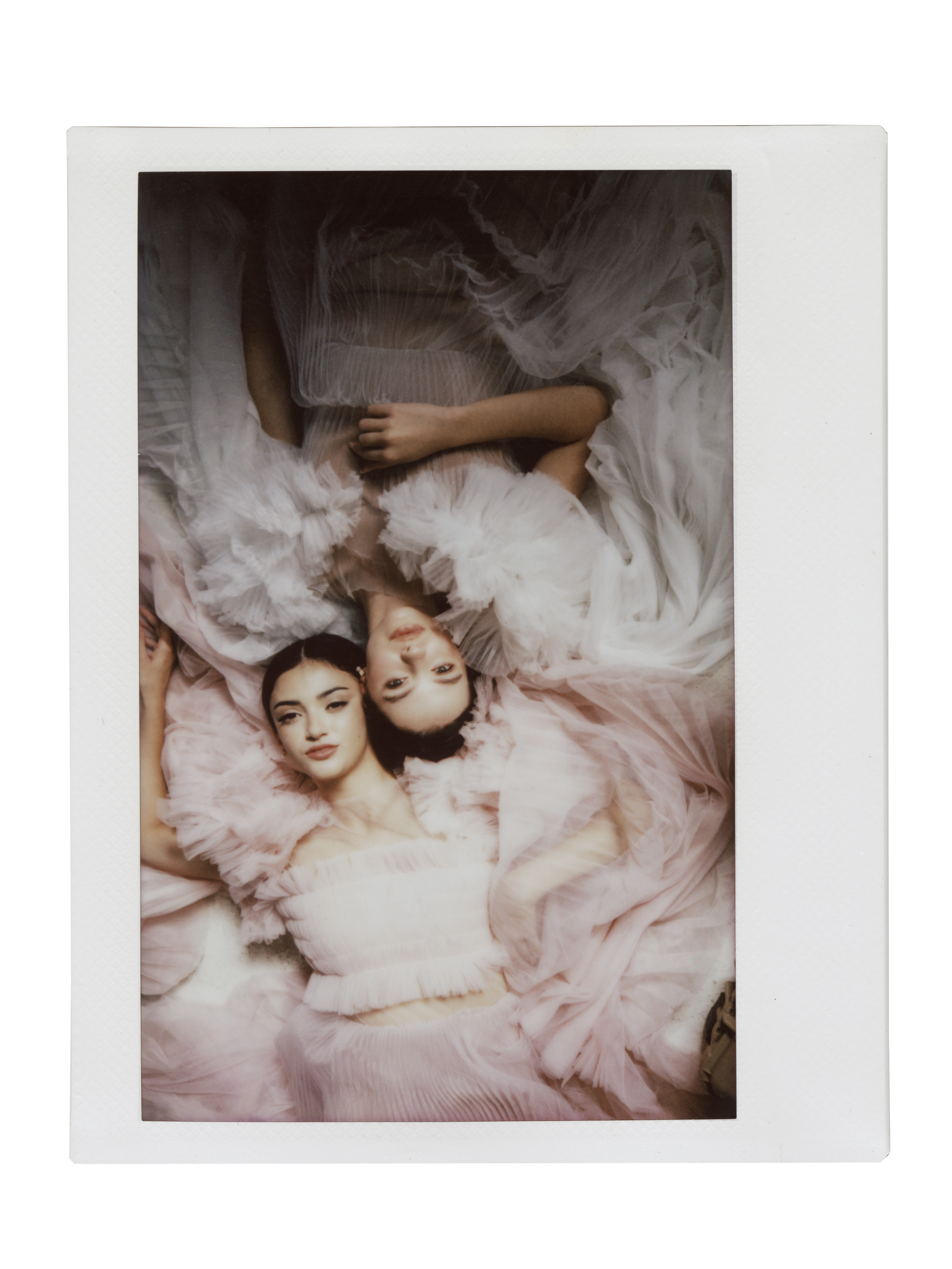

Camera Systems for Instax Portraits
The camera you choose changes how you approach instant portraiture.
Mint InstantKon RF70 (Instax Wide)
The Mint InstantKon RF70 gives you manual aperture and shutter control, which is essential for Instax.
But the internal meter is inconsistent.
In high-contrast situations — especially hard window light — it tends to misread highlights.
If you follow it blindly, you will blow them.
I don’t rely on it.
I meter with my eye first, and I use the internal meter as a loose reference at best.
Instax does not forgive overexposure.
So I don’t outsource that decision to the camera.It teaches discipline.
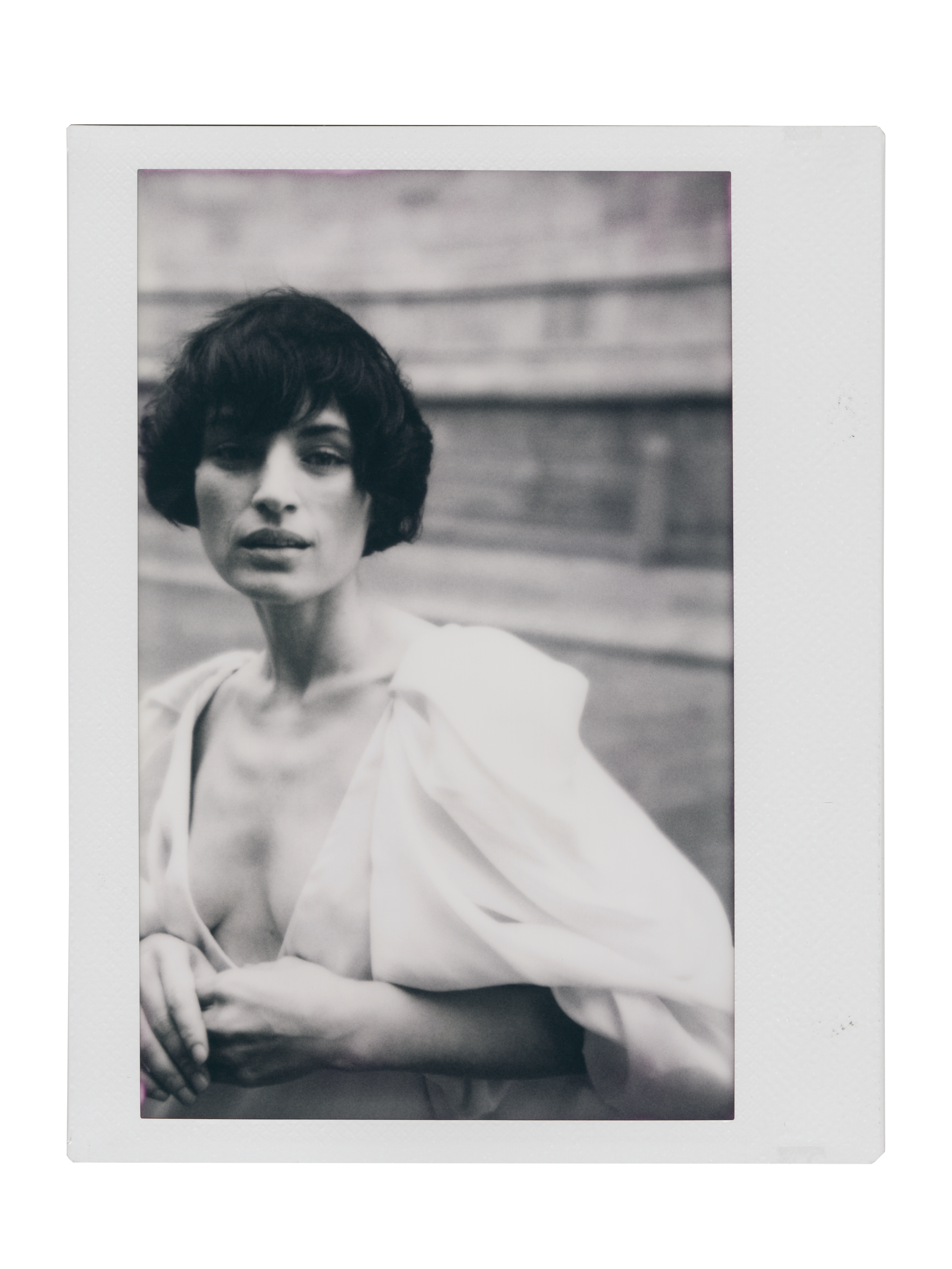

NONS (SLR Instant System)
NONS cameras operate as true SLR systems.
What you see through the viewfinder is what the lens sees.
Technical advantages:
Through-the-lens preview
Precise focus confirmation
Interchangeable lenses
Improved control for foreground layering
For techniques like double exposure alignment or foreground interference, the SLR system allows greater precision.
Mint feels intuitive.
NONS feels exact.
Both allow control — which is essential with Instax.
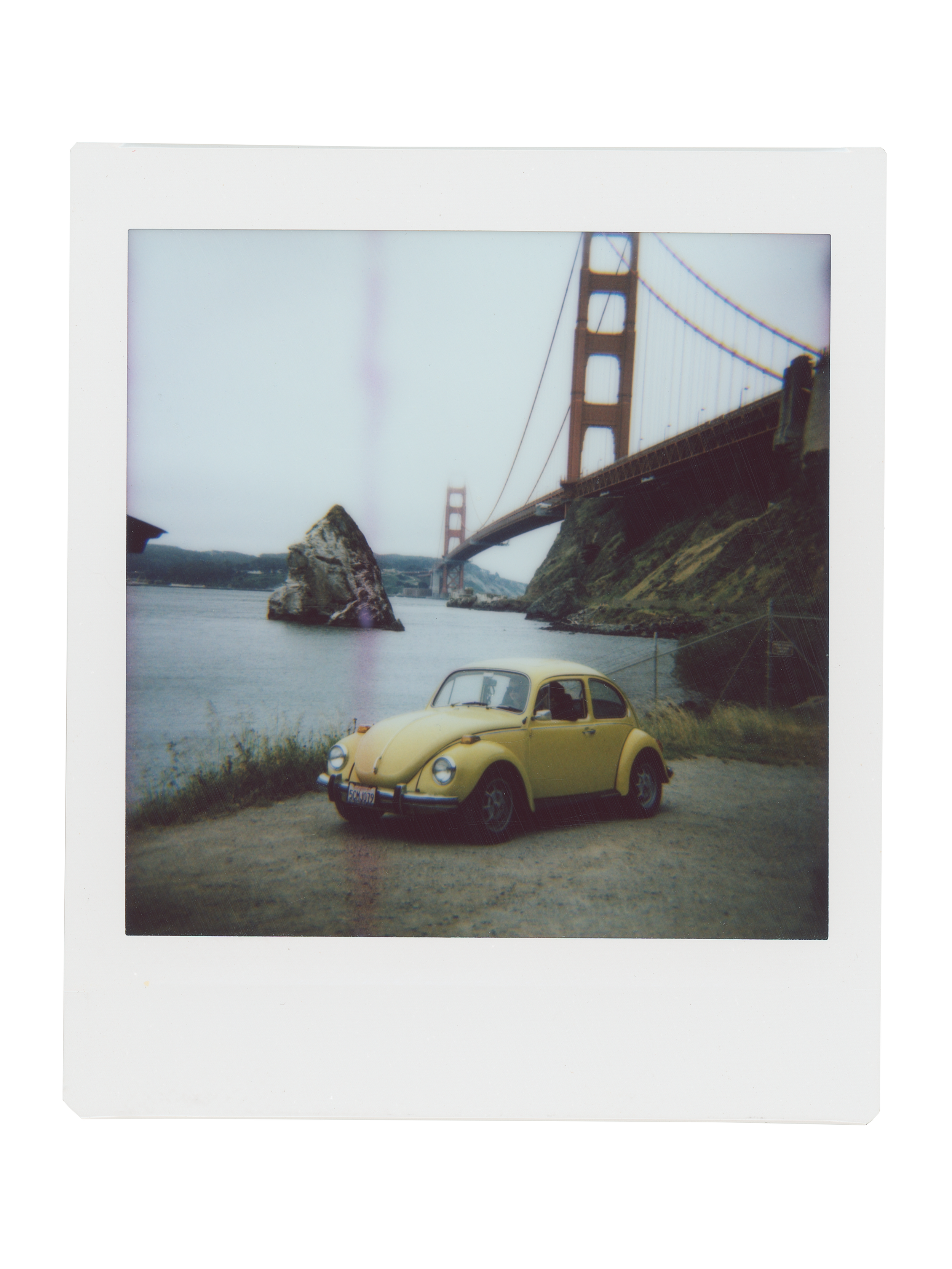
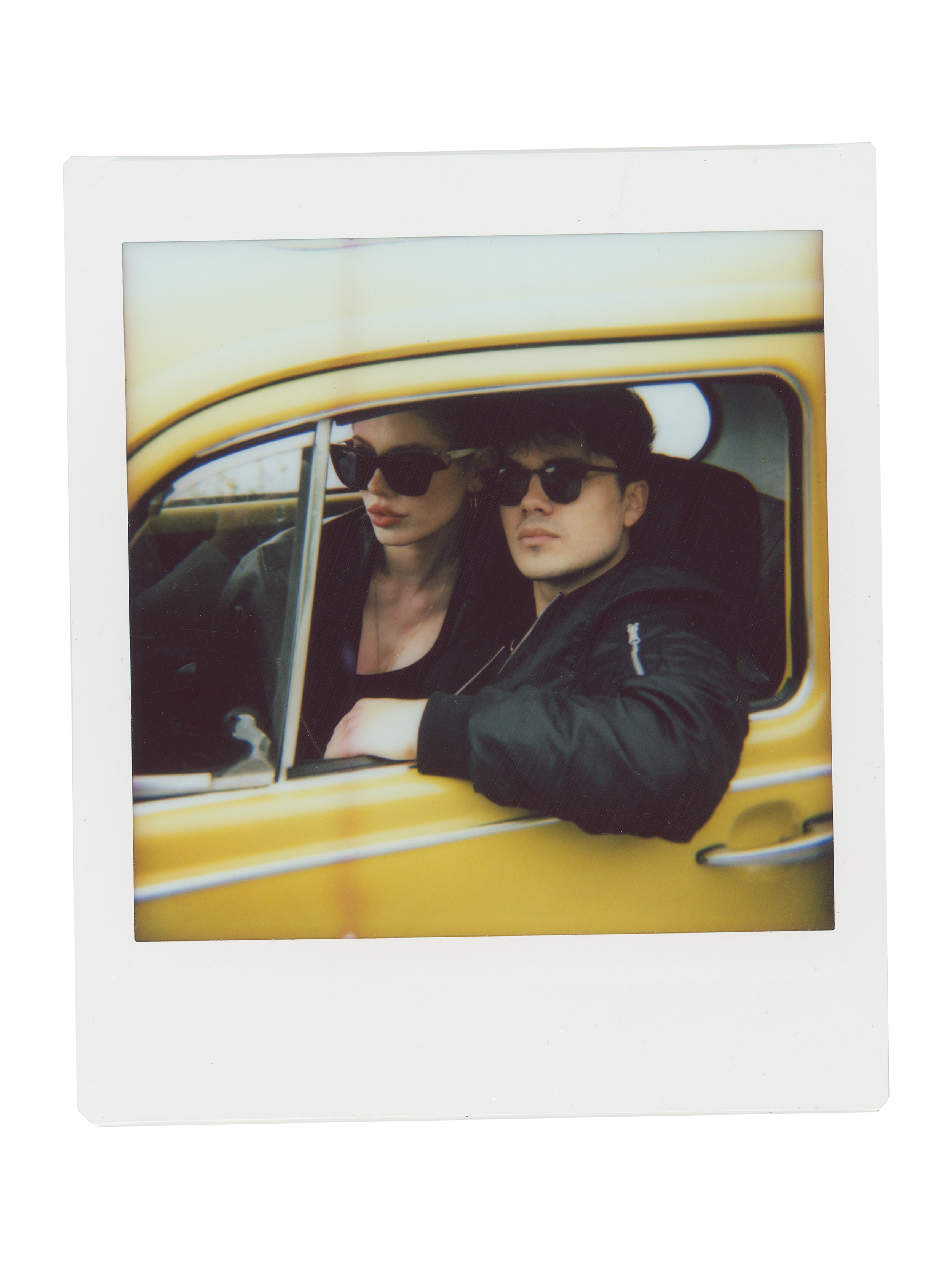

Fujifilm Instax Mini Evo
The Instax Mini Evo is a hybrid instant camera.
You preview digitally and choose what to print.
This lowers risk and reduces wasted film.
However, it changes the creative psychology.
Manual instant systems require commitment before you know the outcome.
Hybrid systems allow revision before printing.
Both are valid tools — they create different creative experiences.

What makes a good portrait… good?

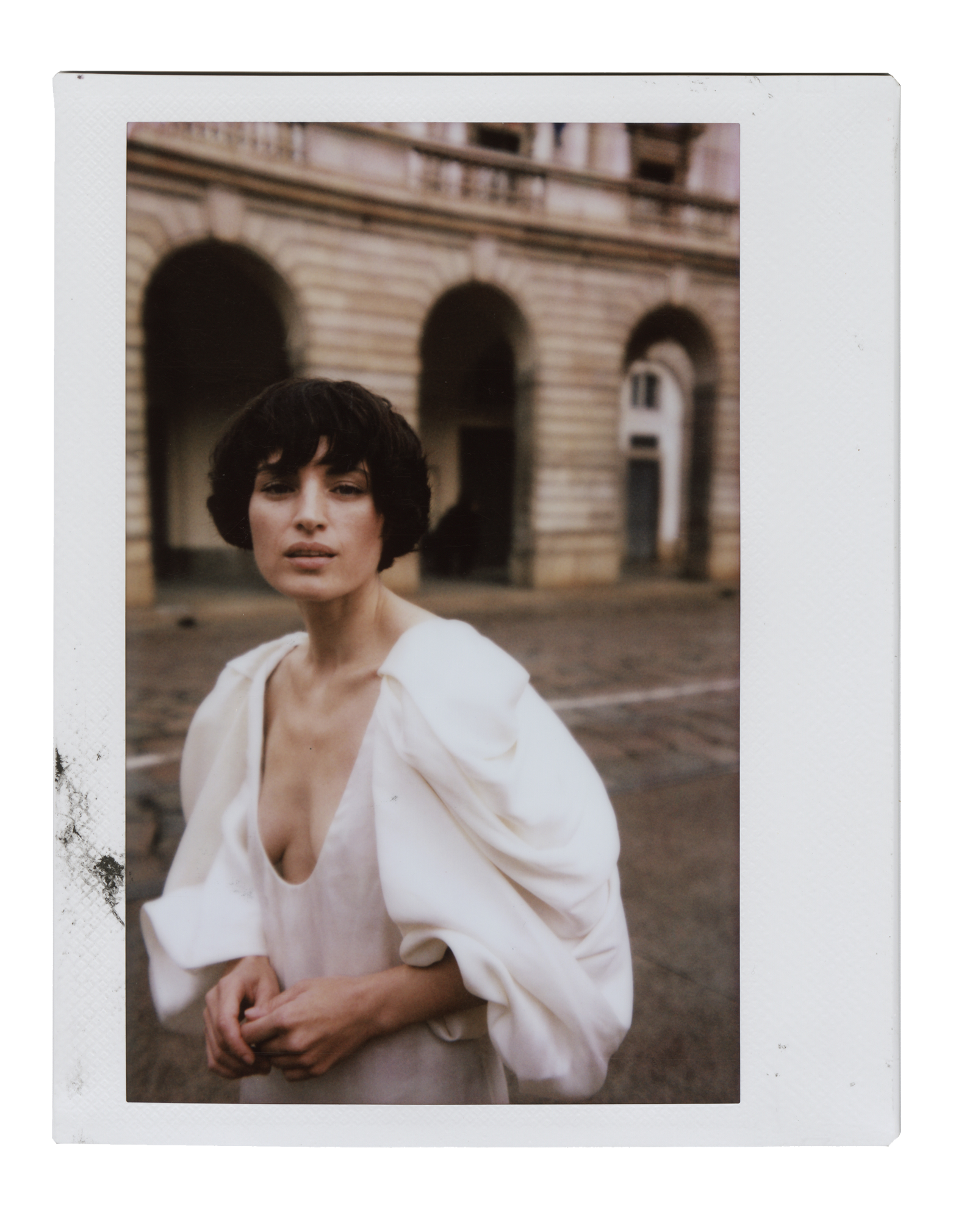
“For a portrait to work, many things must come together — the expression, the framing, the background, the moment.”
— Mary Ellen MarkA portrait may look simple — just a person in front of a camera.
But when a portrait truly works, it’s because several elements quietly come together in the same moment.The expression matters. Something real appears in the face — confidence, curiosity, distance, softness, tension. It doesn’t have to be dramatic. Sometimes the smallest shift in expression is what makes the photograph feel alive.
The moment matters. Portraits are rarely about a fixed pose. They happen in between — when the person relaxes, when their attention drifts for a second, when they forget the camera is there.
Light plays its role as well. It shapes the face, creates depth, and sets the emotional tone of the photograph. Even subtle changes in light can completely transform how we experience a portrait.
The framing of the photograph and the background also support the image. The space around the person helps guide the viewer’s eye and gives the portrait context, atmosphere, and balance.
Mary Ellen Mark described it beautifully:
“For a portrait to work, many things must come together — the expression, the framing, the background, the moment.”
When these elements align, even briefly, the photograph becomes more than a picture of someone.
It becomes a portrait.
Creative Techniques for Instant Film Portraits
Once you understand how Instax behaves, you can begin to experiment intentionally.
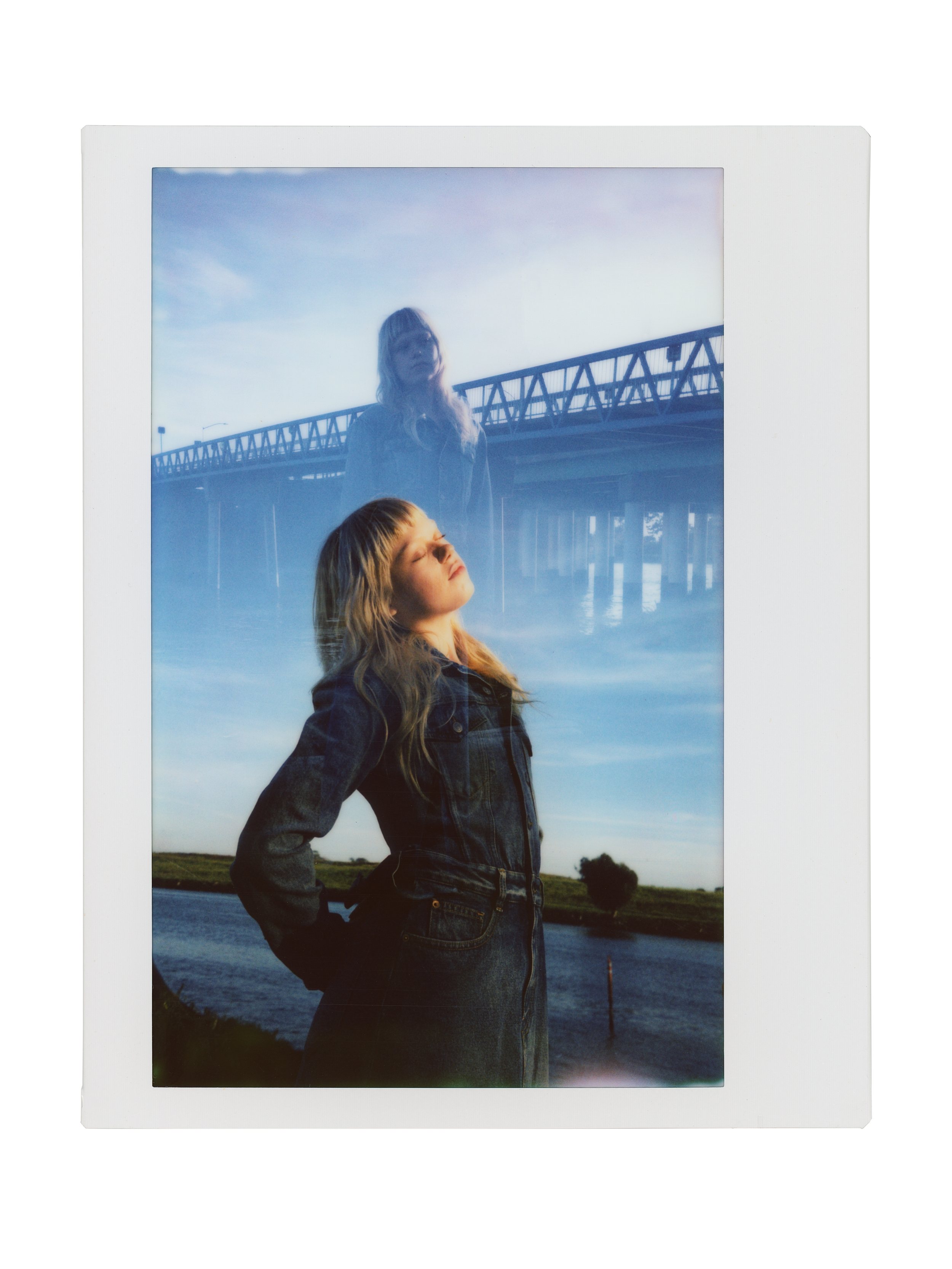
1. Double Exposure
Double exposure on instant film requires planning.
Approach it in two stages:
First exposure: structure
Second exposure: atmosphere
Avoid two complex exposures layered together.
Instax contrast will overwhelm the image.
Underexposing the first frame slightly can help preserve detail when layering.
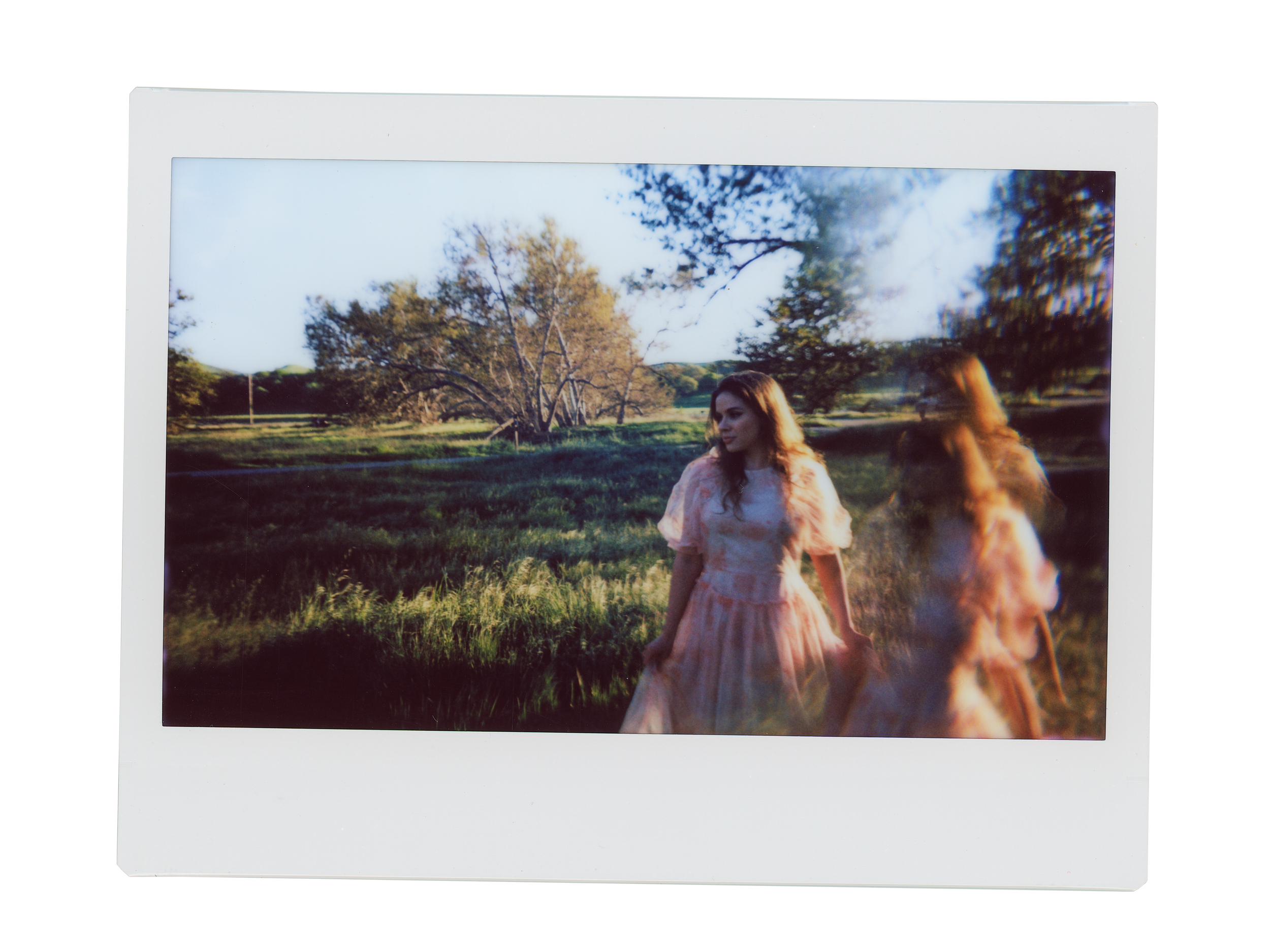
2. Foreground Interference
Place something between the lens and the subject.
Glass. Lace. Prism. Filters.
Allow it to enter the frame subtly from the edge.
Instax exaggerates separation and depth shifts.
Physical layering changes the image before it ever becomes film.

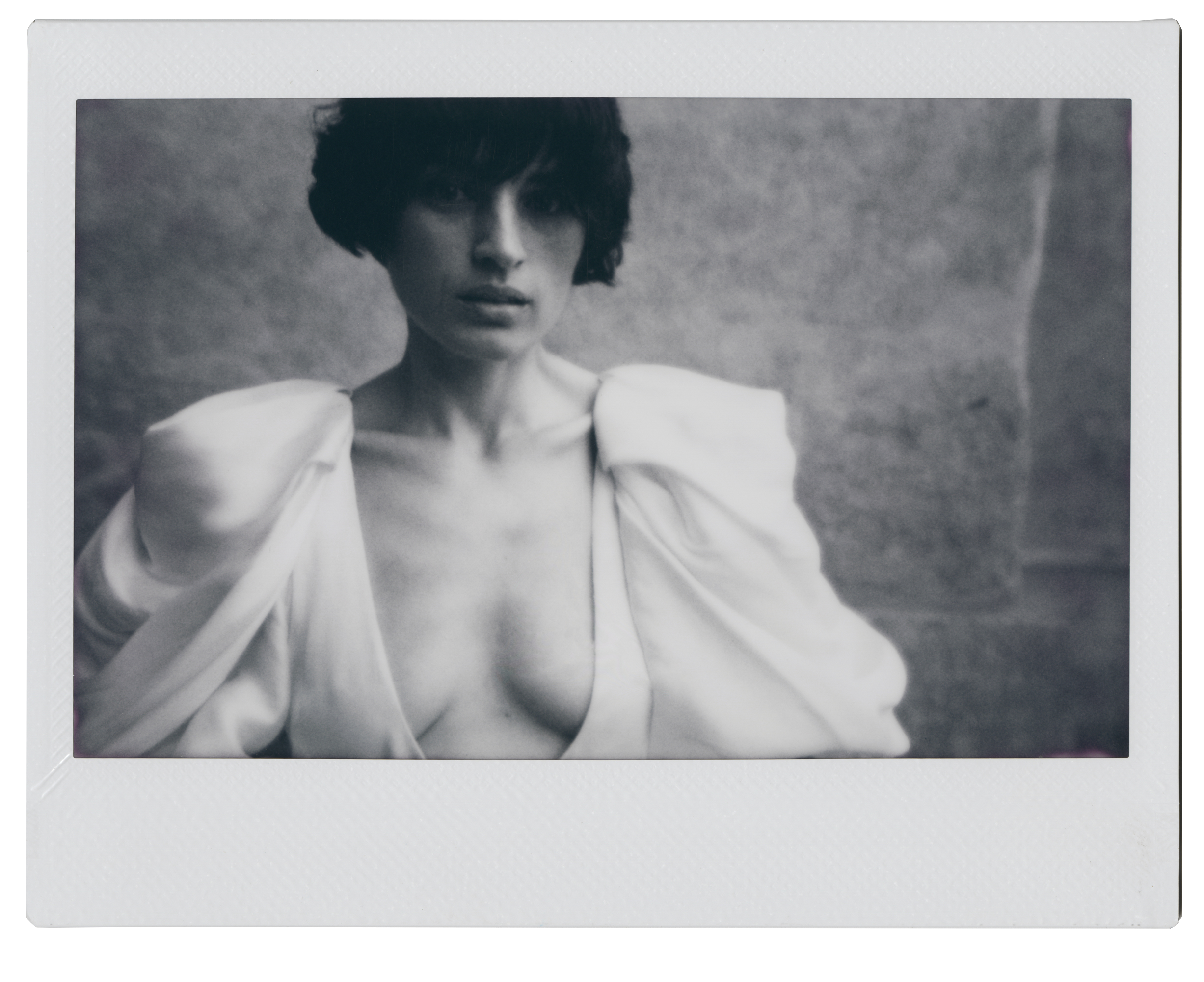
3. Shadow Carving
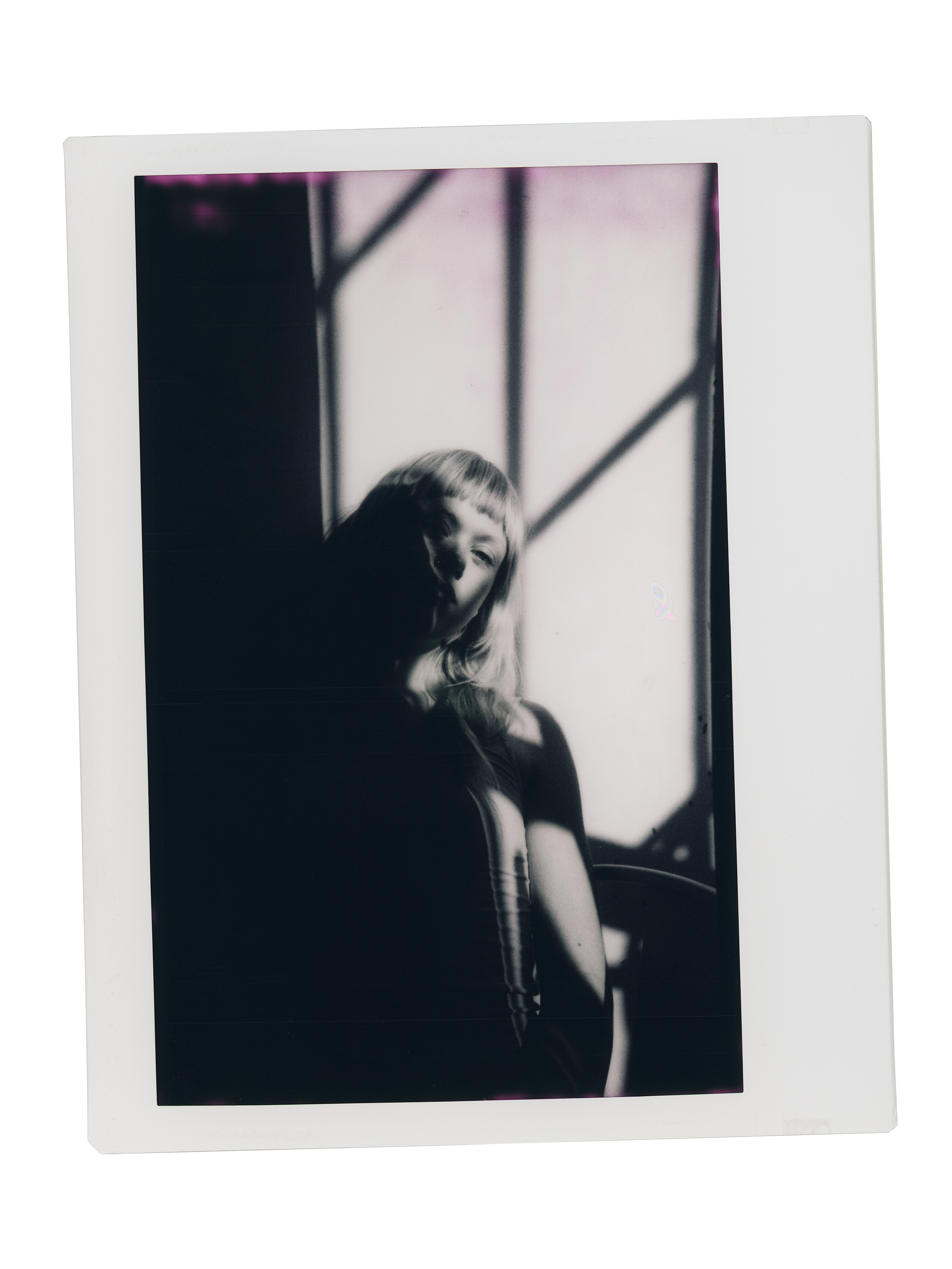
Use directional light intentionally.
Hard window light works beautifully.
Do not fill the shadows.
Let black exist.
Protect highlights carefully.
Contrast becomes structure.
Let’s Play
Grab a friend.
Choose one technique.
Limit yourself to five frames.
See what happens.