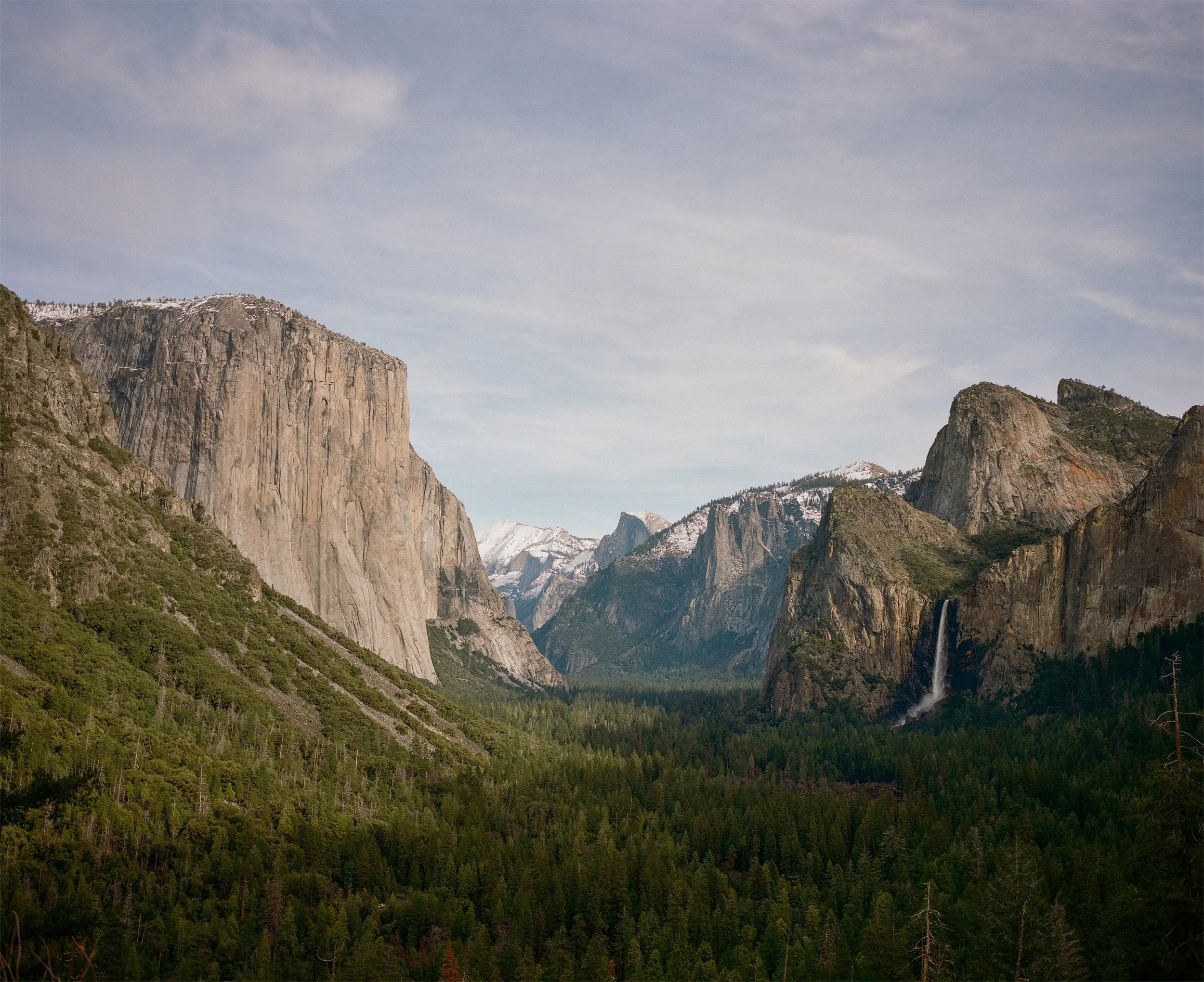
Mamiya 7II Review: A Medium Format Film Camera Everyone Agrees On—Until You Actually Use It
For years, the Pentax 67II was my default medium format film camera. I carried it across Europe, through Canada, into Cuba. The weight never felt like a compromise. The 6×7 film format justified the effort. It demanded intention and rewarded commitment—two things I value deeply in film photography.
Like many film photographers, my curiosity eventually shifted. Not out of dissatisfaction, but exposure. I started paying attention to conversations around portability, rangefinders, and medium format cameras built for travel and landscape photography. Again and again, one name surfaced: the Mamiya 7II.
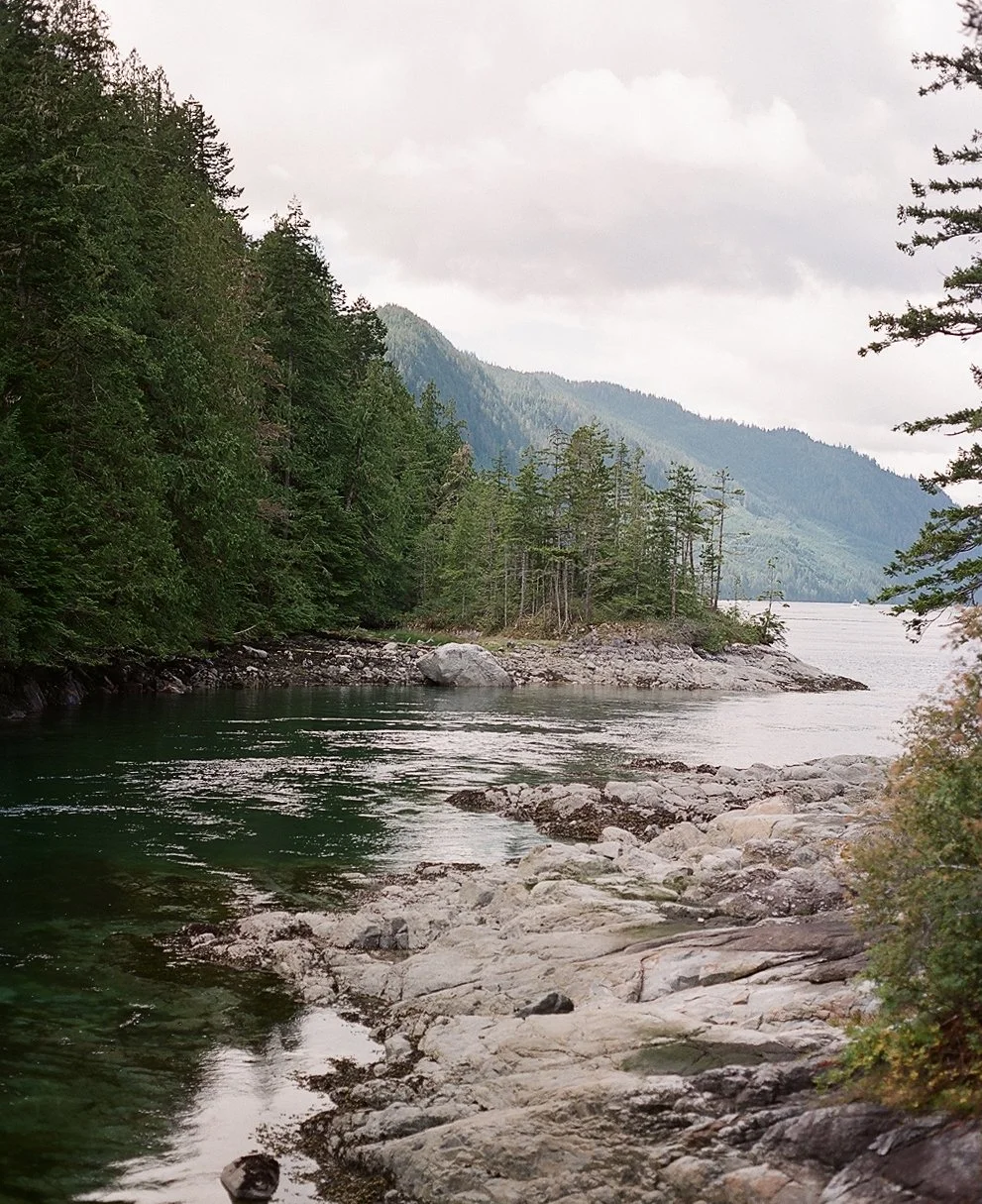
Pentax 67II, British Colombia
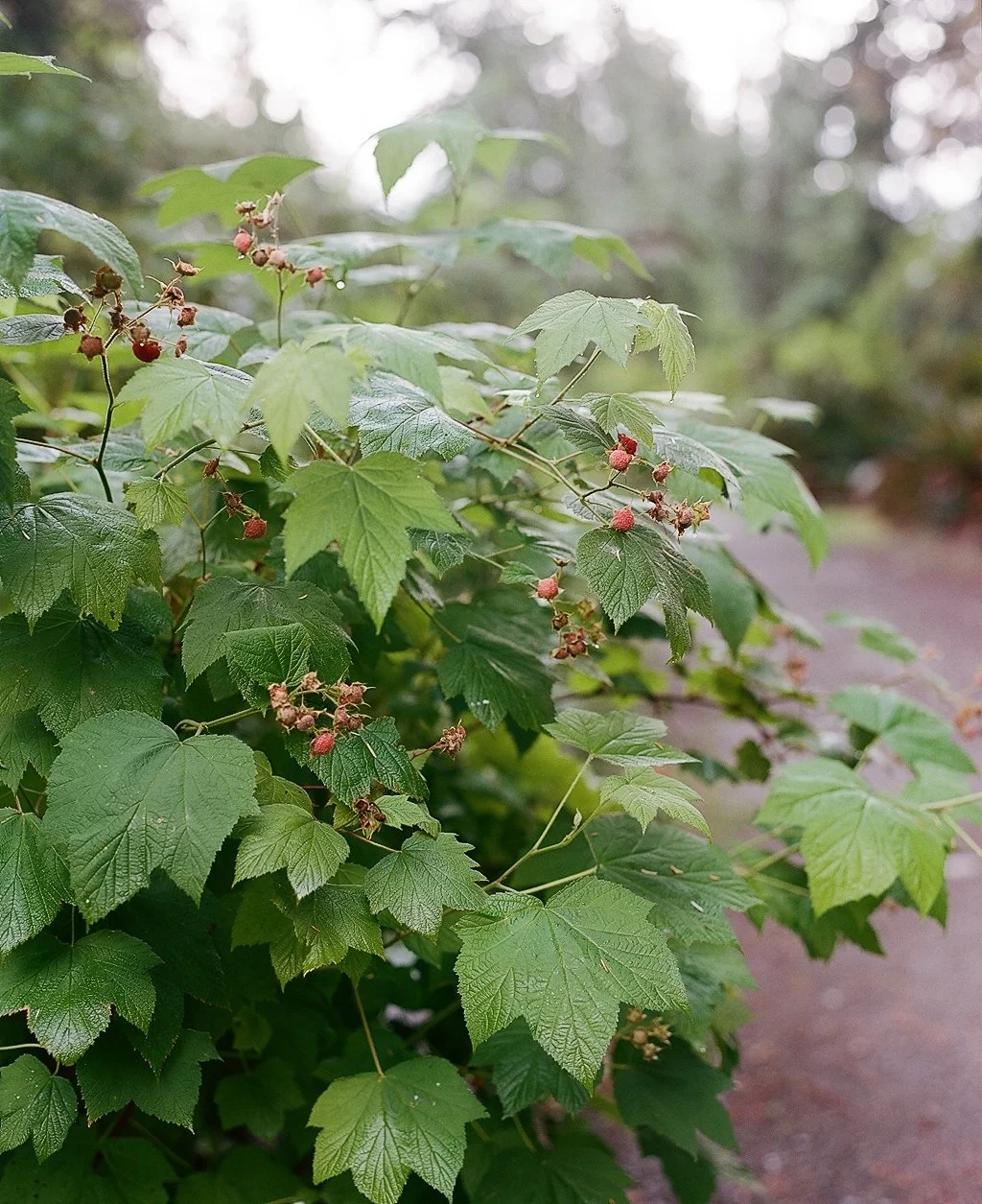
Pentax 67II
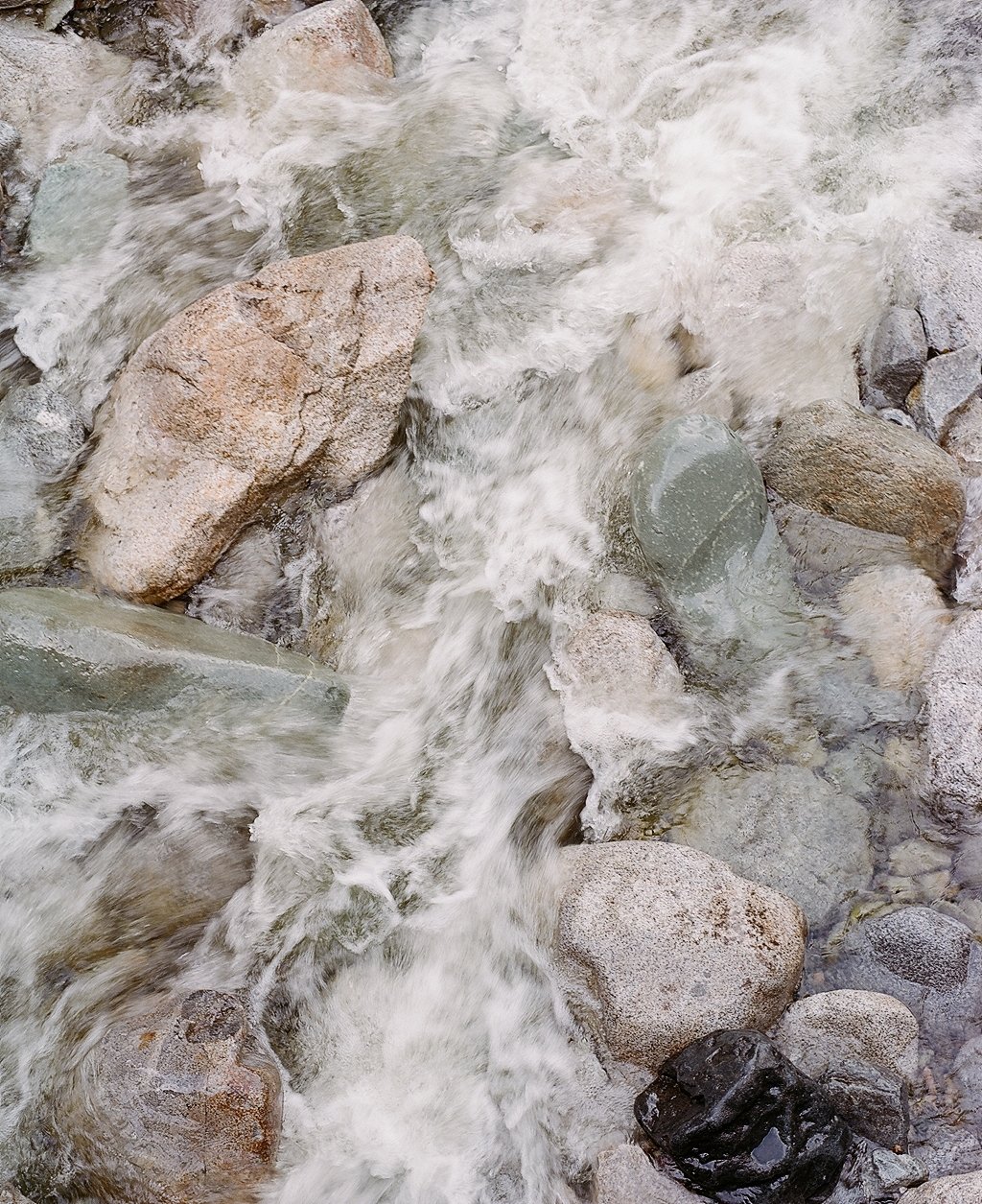
Pentax 67II
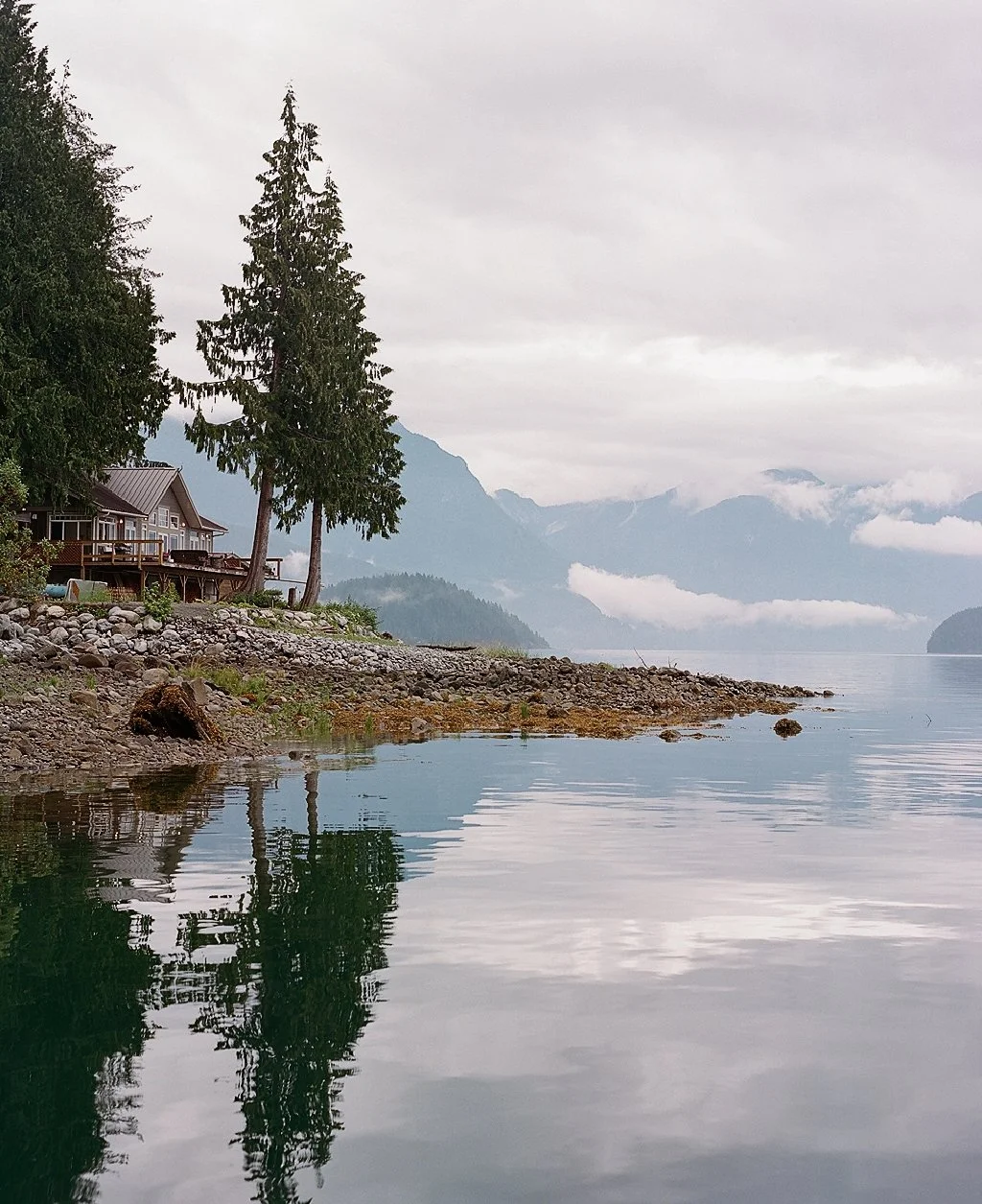
Pentax 67II
Often described as one of the best medium format film cameras ever made, the Mamiya 7II has become a staple recommendation in analog photography circles. Reviews praise its sharp lenses, lightweight design, and suitability for landscape film photography. The consensus is overwhelming.
Too overwhelming.
Eventually, I found a near-mint black Mamiya 7II at my local film shop. The decision that followed felt equal parts practical and impulsive: I traded my Hasselblad 205 with the 100mm Planar for it. A beautiful camera, unquestionably—but one that had slowly transitioned from active tool to carefully displayed object. Right before Christmas, both cameras changed hands. I walked out with the Mamiya.
And yes—there is a reason the Mamiya 7II is so highly regarded.
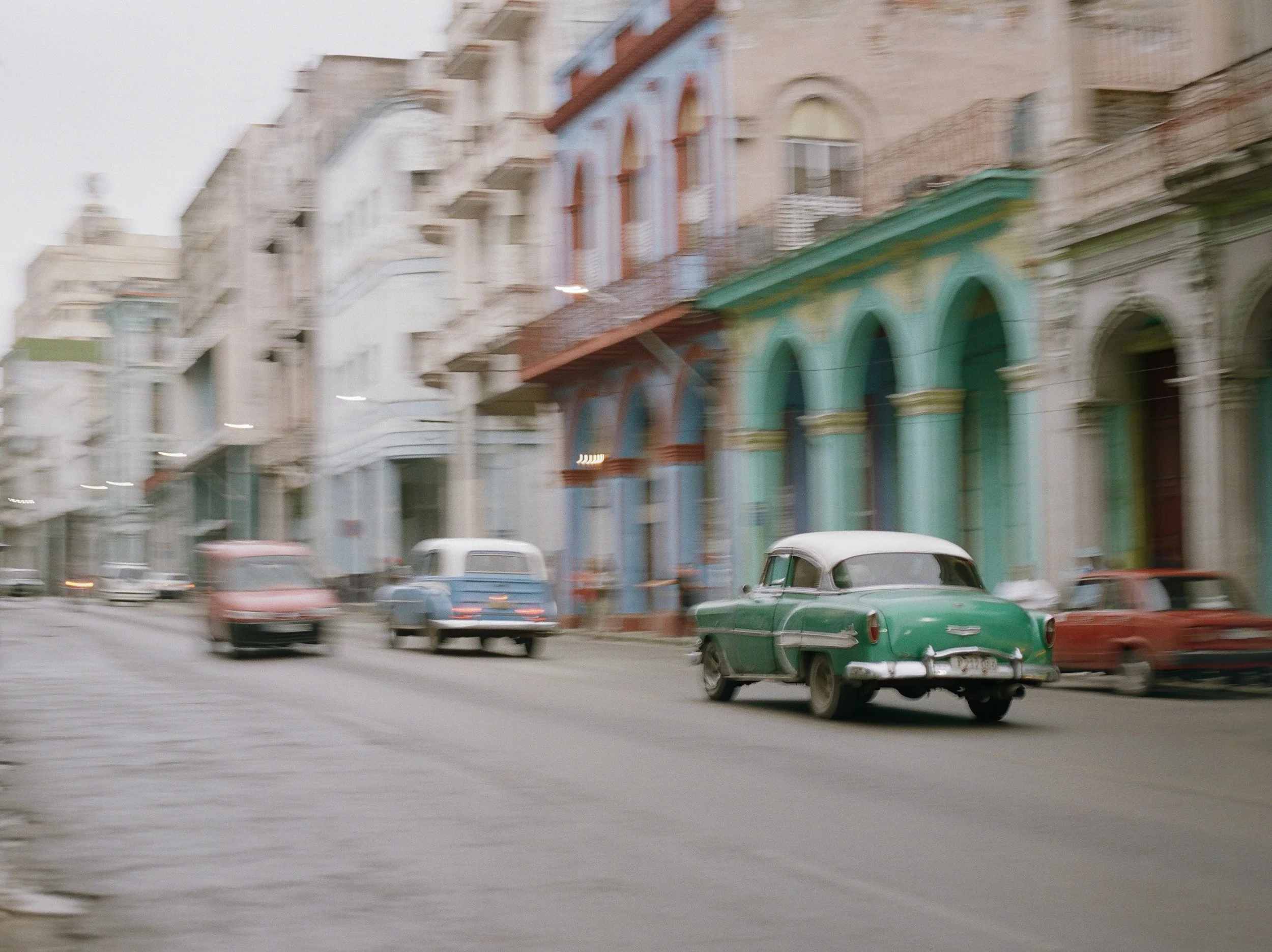
Pentax 67II Havana, Cuba
Why the Mamiya 7II Became a Favorite in Film Photography
As a medium format rangefinder, the Mamiya 7II excels at what it was designed to do. Its lenses are exceptional. The negatives are clean, expansive, and restrained. It’s quiet, efficient, and remarkably portable for a medium format film camera. For landscape photography, travel work, and large-scale environments, it performs exactly as promised.
It moves easily through space. It doesn’t interrupt the scene. It allows you to cover distance—physically and visually—with minimal friction.
But this is where personal experience begins to diverge from online consensus.
Mamiya 7II vs Pentax 67: Distance vs Intimacy
The Pentax 67 film camera—unapologetically heavy, unapologetically physical—behaves very differently. Especially when working close. With subjects that require intimacy, density, and presence, the Pentax renders space with more weight. More gravity.
The difference is not about sharpness or technical superiority. It’s about how each camera handles proximity. The Pentax draws with a sense of depth that feels immersive and demanding. The Mamiya, refined as it is, maintains a certain distance. Its strength lies in clarity and composition rather than physical engagement.
That distinction became clear quickly.
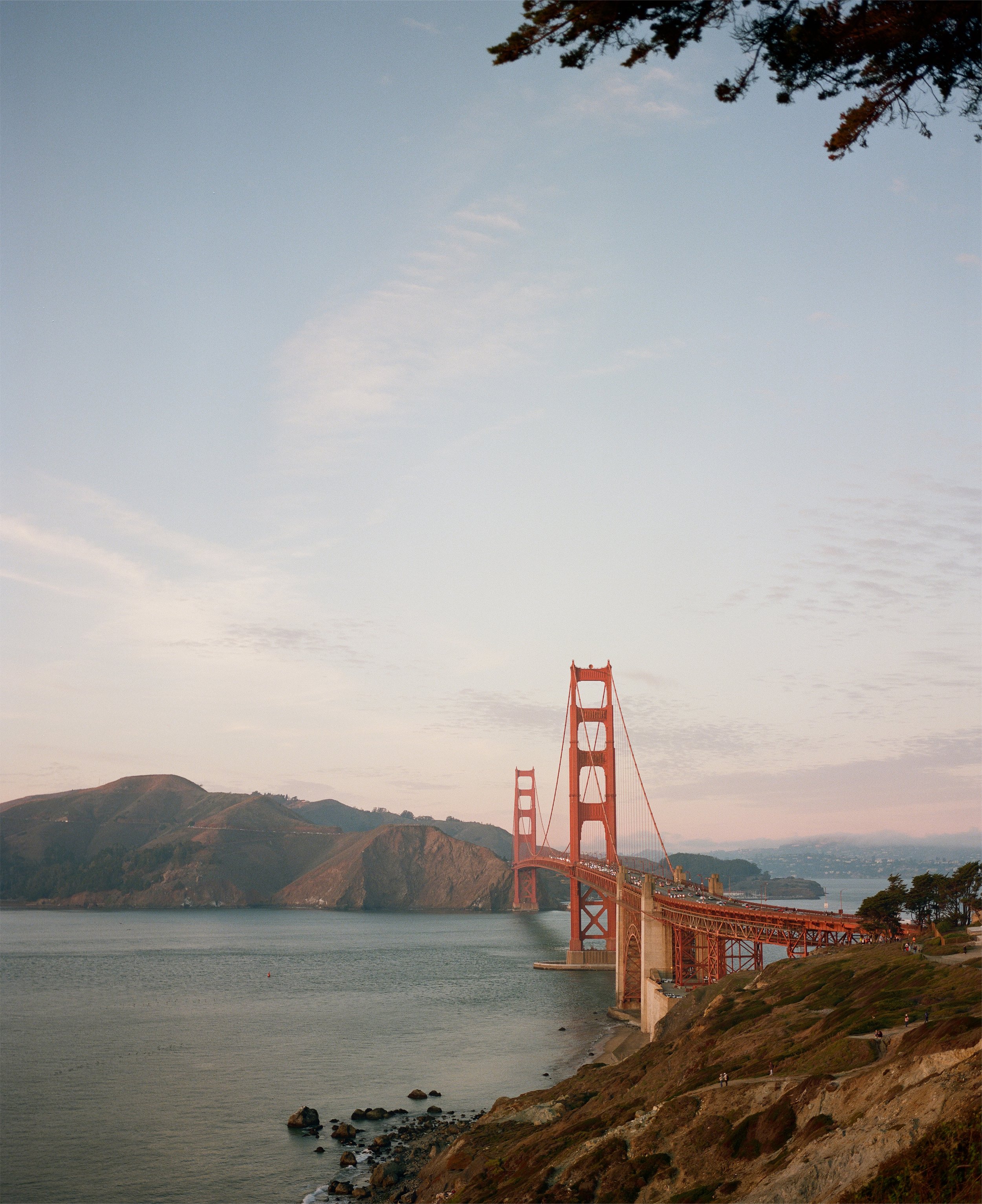
Mamiya 7II
What Many Reviews Miss About the Mamiya 7II
Much of the praise surrounding the Mamiya 7II comes from photographers who prioritize portability, efficiency, and movement. That preference isn’t wrong—but it is specific. The camera rewards a way of seeing that is composed, architectural, and often distant.
The Pentax 67 demands something else: slowness, commitment, and the willingness to carry the weight—both literally and visually.
Neither approach is better. But they are not interchangeable.
As a film photographer, that distinction matters more than any technical specification.
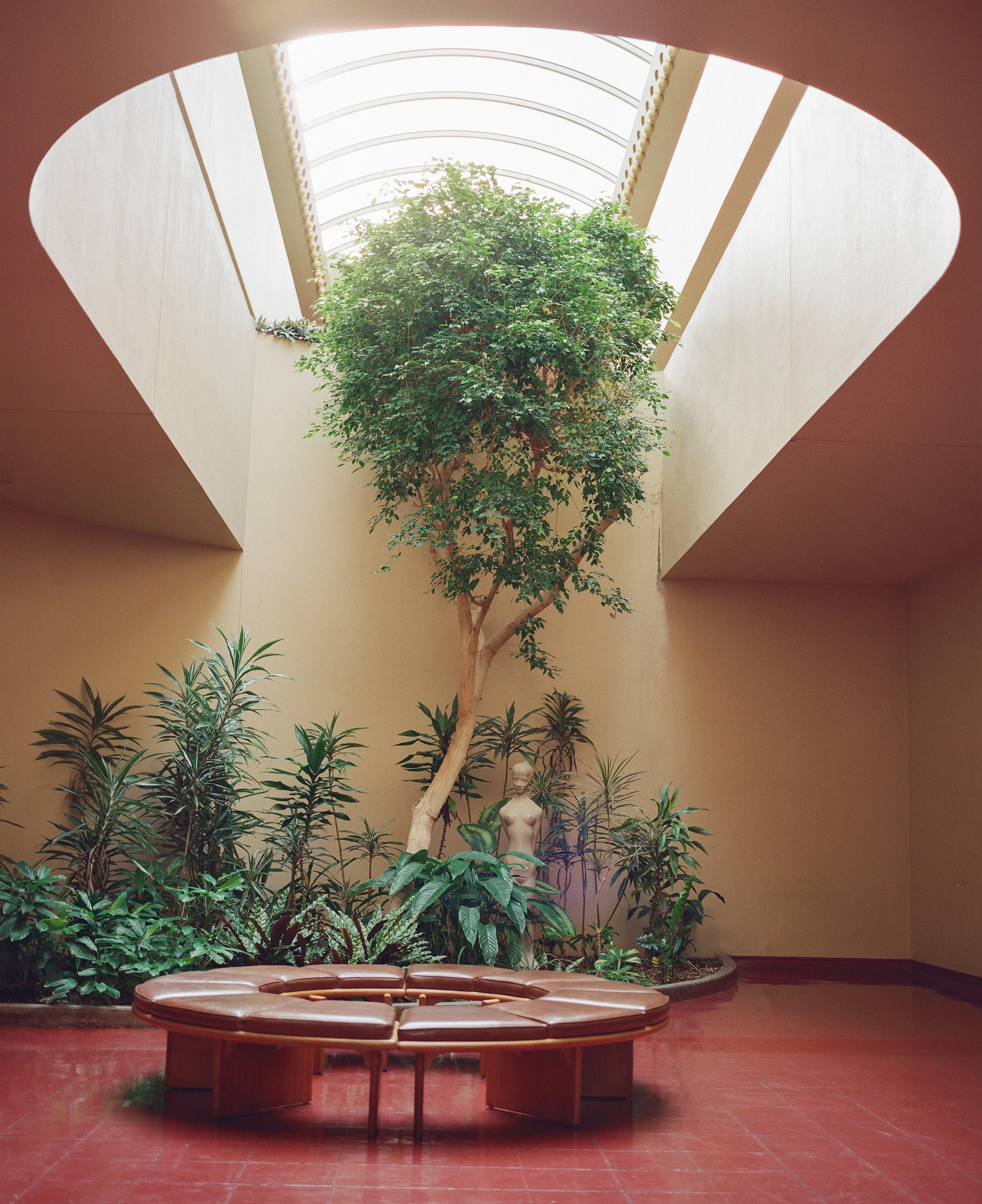
Mamiya 7II Marin Civic Center
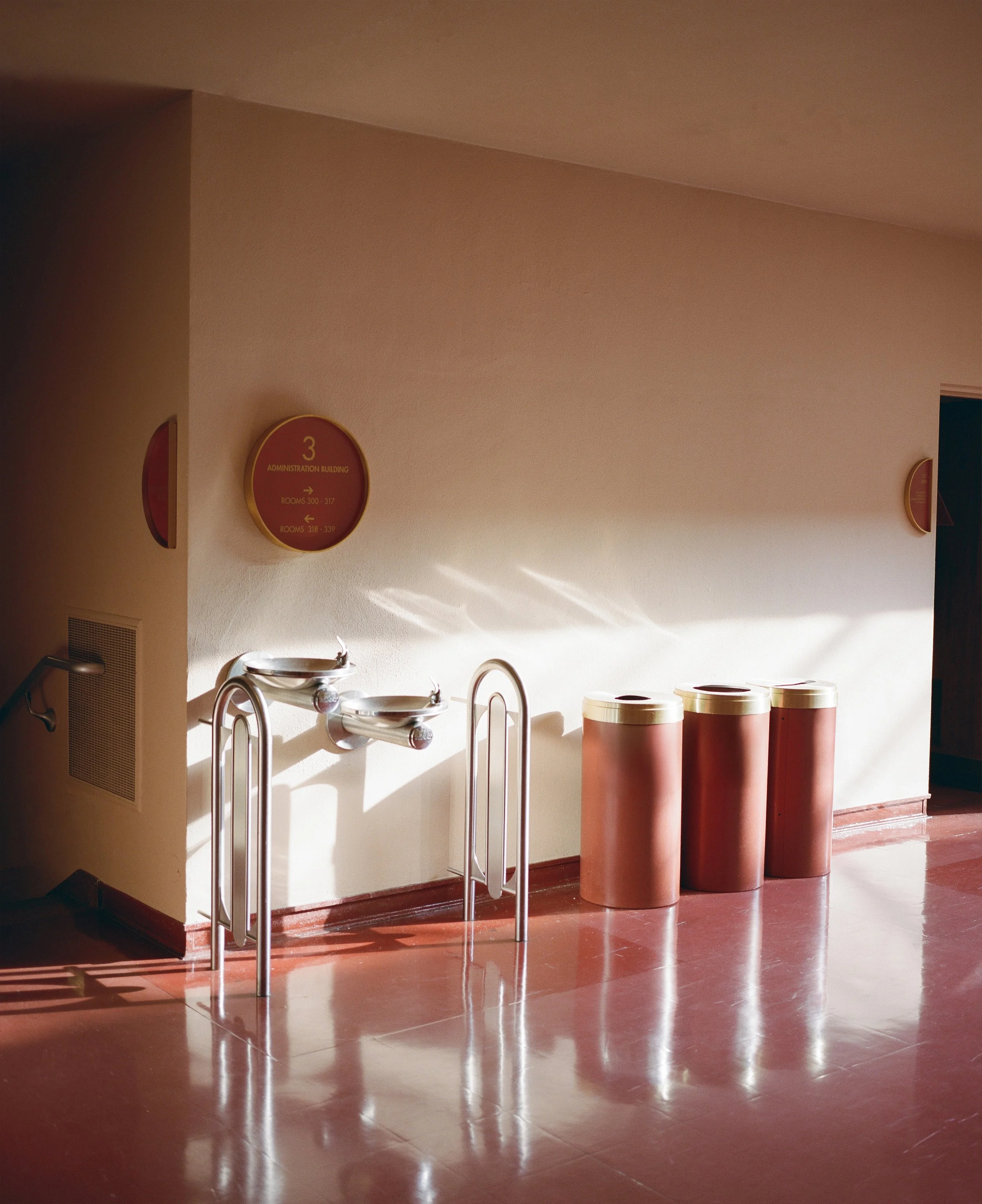
Mamiya 7II Marin Civic Center
Lens flare comparison: Mamiya 7II vs Pentax 67II
When shooting directly into the sun, the difference in lens flare between the Mamiya 7II and the Pentax 67II with the 105mm lens becomes immediately visible.
The Mamiya 7II lenses produce flare that is cooler in tone, often appearing purple or blue. The flare tends to separate from the light source, forming visible artifacts or orbs within the frame. It feels optical and defined, drawing attention to itself rather than blending into the scene.
The Pentax 67II paired with the 105mm produces a very different result. The flare is warmer, amber-leaning, and more diffuse. Instead of breaking into shapes, the light spreads across the frame, softening contrast and edges. The flare integrates naturally with the image rather than sitting on top of it.
In practical terms:
Mamiya 7II flare is cooler, sharper, and more noticeable
Pentax 67II flare is warmer, softer, and atmospheric
This difference has nothing to do with sharpness or image quality. It’s about how each system handles light. The Pentax interprets flare as atmosphere, while the Mamiya renders it as an optical effect.
For photographers who prioritize mood, restraint, and a cinematic feel, this distinction can be as important as camera weight or lens choice.
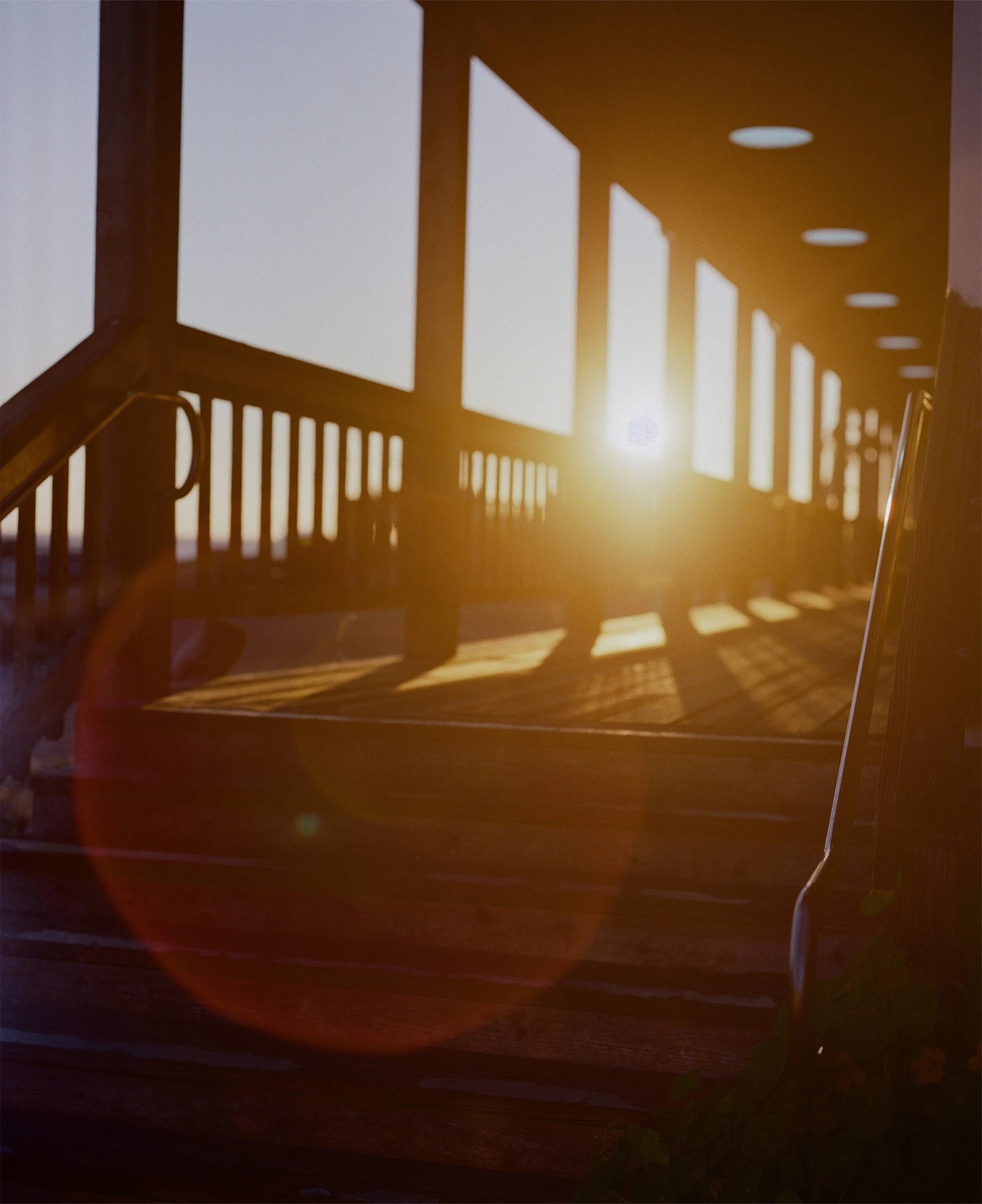
Pentax 67II with 105mm lens
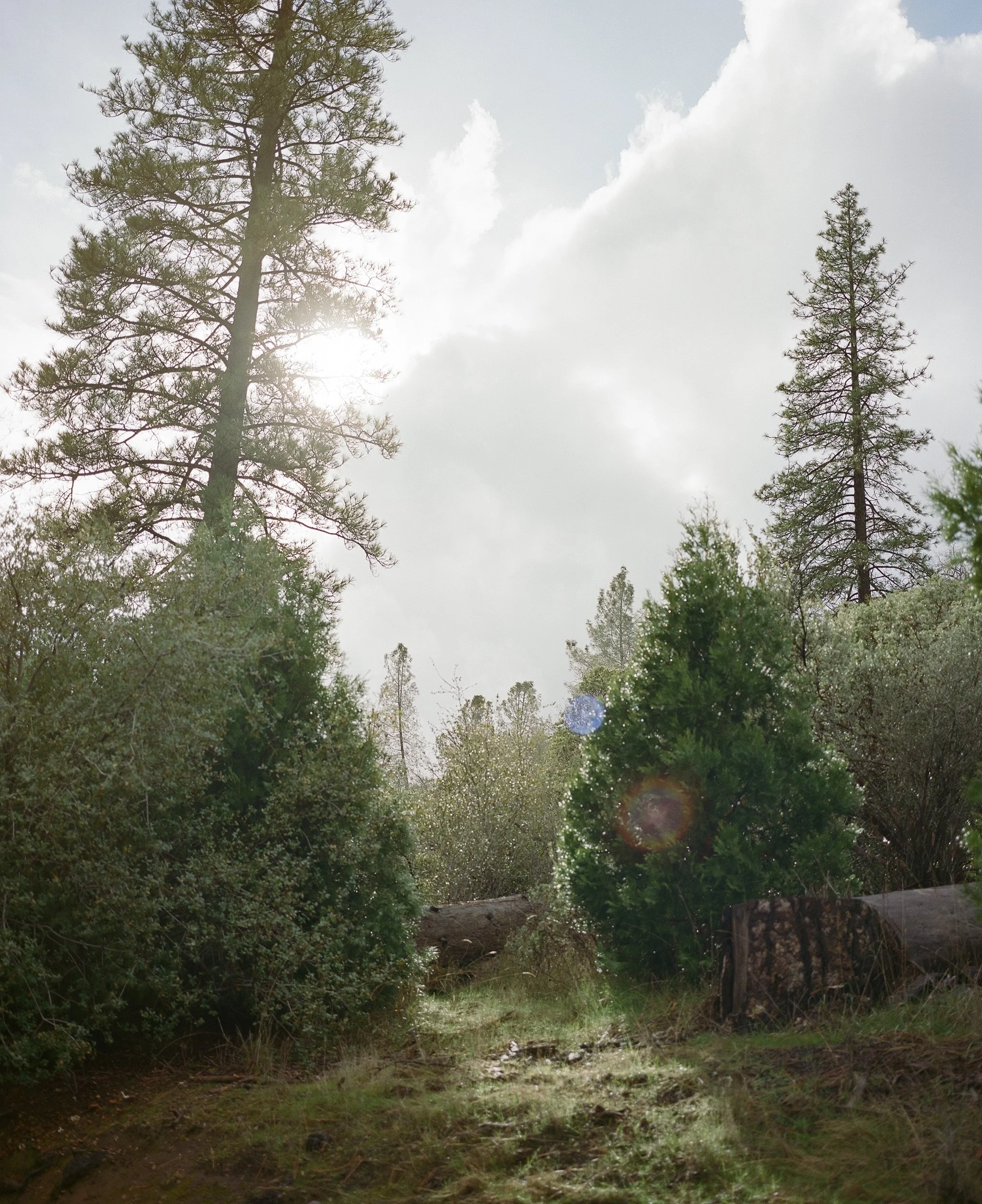
Mamiya 7II with 80mm lens
A Medium Format Film Camera Is Not a Universal Answer
The Mamiya 7II is not a universal solution in medium format film photography.
It is a precise one.
As a medium format film camera, it excels within a particular visual language. Outside of that, its limitations become part of the conversation—not flaws, but boundaries.
The distance between reputation and real-world use is where film photography becomes personal. That space is where preferences sharpen, tools reveal their true character, and vision either consolidates or dissolves.
That, more than consensus, is what ultimately matters.
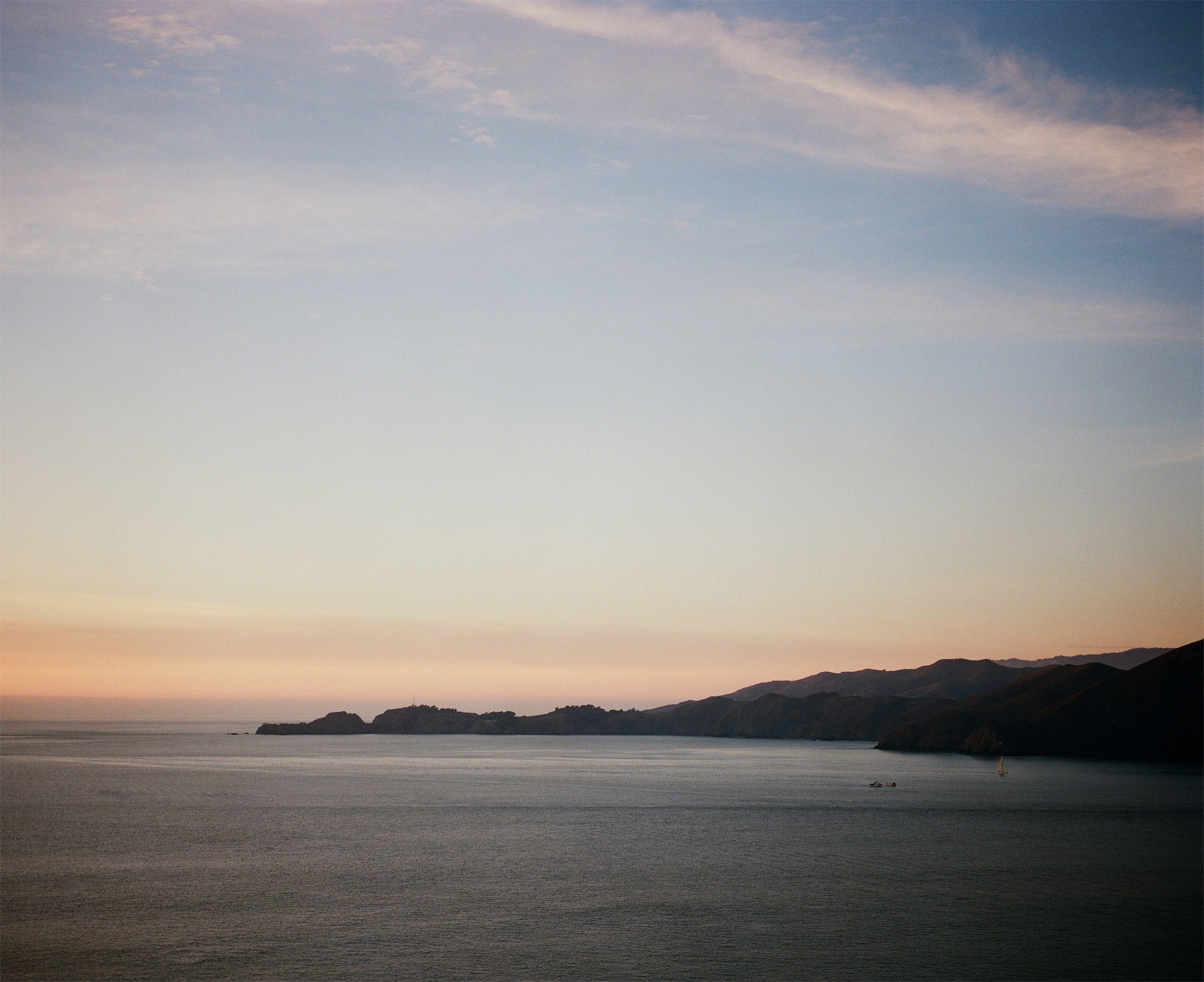
Mamiya 7II San Francisco